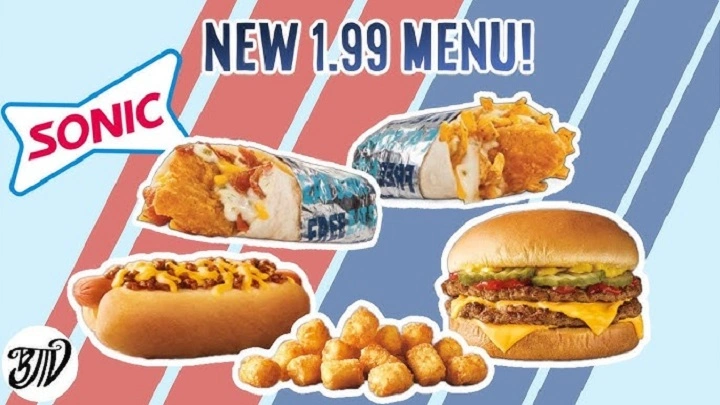
Pricing at Sonic Drive-In doesn’t scream for attention. It moves quietly, especially around the $1.99 menu. At first glance, it looks like simple cheap food. But underneath, each item sits inside a system built on control, contracts, and repeatable costs. It’s not about throwing out discounts to attract crowds. It’s about keeping things stable enough to stay profitable even at a low price point.
Built on Stable Ingredients, Not Risk
The $1.99 menu works because the ingredients don’t fluctuate much. Items are chosen carefully—less for taste trends, more for supply reliability.
- Jr. Burger depends on beef portions tied to long-term agreements
- Chicken strips use processed cuts that stay consistent in pricing
- Tater tots rely on dried potato inputs bought in bulk
- Corn dogs use simple, predictable components
These aren’t random picks. They come from supply chains that avoid sudden price spikes. Stability matters more than variety here. Even at a low price, the goal isn’t loss—it’s control.
The Psychology of $1.99
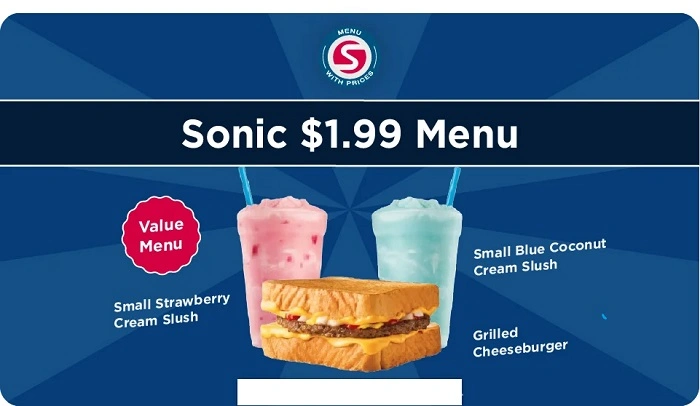
A penny feels like nothing to most folks. Yet it counts more than you’d guess. A single cent sticks around longer than expected.
Pricing things at $1.99 rather than $2.00 makes a tiny gap seem wider. Sonic uses that gap to shape how people see value. The amount saved hardly matters, yet it registers as lower. Perception shifts without changing much at all.
Even as prices hover below whole numbers, room remains to shift things. A bit less filling inside, maybe a skimp on layers – yet the tag people know doesn’t budge. That figure holds steady. What changes is what’s held within it.
Faster Orders, Fewer Mistakes
A limited low-cost menu doesn’t just affect pricing. It changes how quickly orders move.
Carhops—often part-time workers—handle multiple customers at once. Simpler choices reduce confusion. Fewer modifications mean less back-and-forth.
- orders move faster
- errors drop
- service time improves
Reports suggest orders can move about seven seconds quicker when choices stay basic. That might not sound like much, but across hundreds of cars, it adds up fast.
The Real Profit Comes Later
The $1.99 item isn’t always the money-maker. It’s the starting point.
Most customers don’t stop at one item. Data from delivery apps and regional summaries suggest a majority add something else:
- drinks
- upgraded sides
- desserts
That first cheap item creates a sense of saving. Once that feeling is there, spending more feels easier. The menu doesn’t push bundles directly—it lets them happen naturally.
Supply Chains Keep Waste Low
Behind the counter, planning starts months ahead. Ingredients for these items arrive frozen, pre-portioned, and ready to use.
Because they last longer than fresh produce, waste stays low—often under 2.3 percent. That’s far better than many restaurants dealing with perishable items.
Stock gets adjusted ahead of seasonal demand too. More beef during summer. More sides during peak hours. It’s all calculated early to avoid surprises later.
Timing Matters More Than It Seems
The $1.99 menu expanded gradually, especially around 2020 when spending habits changed. Instead of cutting staff or reducing hours, Sonic adjusted operations.
Workers began handling more orders using handheld devices. Simpler menus helped support that shift.
The result:
- more cars served per hour
- fewer delays
- better flow during busy periods
Some estimates show about a 12% increase in midday traffic handling after these changes.
Not Every Location Looks the Same
Franchise ownership means flexibility. Not every location runs the exact same $1.99 lineup.
- Midwest locations may keep corn dogs due to local supply advantages
- urban areas might limit low-cost items to certain hours
- higher-wage regions adjust offerings to match labor costs
The structure stays the same, but details shift depending on local conditions.
A Shift in Brand Perception
Younger customers see Sonic differently now. Instead of nostalgia, they associate it with quick, cheap options.
On platforms like TikTok or Instagram, the $1.99 menu shows up more as a deal than an experience. That changes how the brand feels—less like a classic drive-in, more like a convenient stop.
Sonic doesn’t push back against that shift. It lets perception evolve on its own.
Hidden Costs: Payment Fees
Small transactions come with a downside. Processing a $1.99 payment costs almost as much as a larger one.
Roughly:
- about $0.22 per transaction
- plus around 1.7% of the total
That eats into margins quickly. To offset this, Sonic encourages app use and saved payment methods. It’s not just about convenience—it’s about controlling transaction costs and gathering data for future sales.
More Than Just a Cheap Menu
Price tags stuck at $1.99 do more than save cents. They nudge choices without notice.
Decisions feel lighter. Service moves quicker because of it. Spending tends to rise along with its presence.
Most companies chase quick sales with brief deals. Yet Sonic builds something unchanging beneath the noise. Steadiness counts far beyond fleeting reductions.
A single glance might miss it, yet that basic-looking menu hides something precise underneath. Not just food choices but hidden patterns shape what ends up on your plate. Pricing nudges behavior without anyone noticing outright. Workers move in rhythms built around speed and repetition. Habits form quietly until they feel automatic. Every piece fits because nothing stands alone.
What really matters is not why Sonic’s prices stay so low.
Even if the sense of value is planned right from the beginning, what matters is whether people still feel like they’re gaining something worth it.