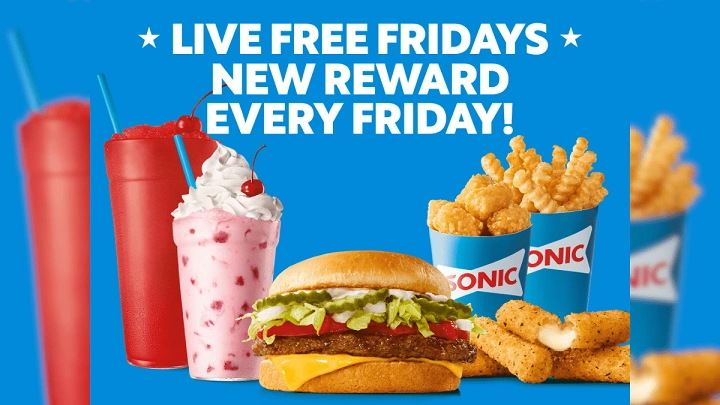
Without warning, pickles grabbed the spotlight briefly. These were not the flat slices resting on sandwiches, instead hefty chunks – battered, deep-fried, steaming when plated. Sonic Drive-In joined forces with Grillo’s Pickles, an odd pairing at first glance. One thrives on quick service, the other leans into patient, traditional brining. What followed stayed around for just weeks. After that? Gone without trace.
It wasn’t really about innovation. It was about alignment—brief, controlled, and tied to timing more than transformation.
A Different Kind of Pickle
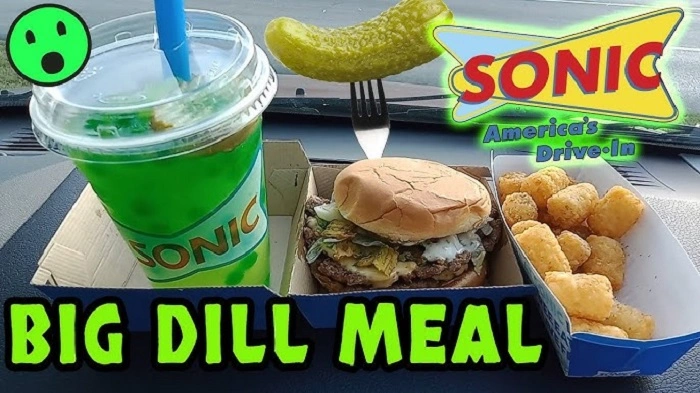
Pickle after pickle lands on burgers with little surprise. Drenched in vinegar first, then rushed through machines just to keep things consistent. One bite tells you exactly what comes next. Heat won’t change their mind – they stay flat, steady, unchanged.
Off the usual path, Grillo’s moves differently.
Instead of vinegar, cucumbers sit in saltwater brine. Natural fermentation does the work over time. That means:
- slight variation in flavor from batch to batch
- more moisture locked inside each spear
- a texture that feels fresher, less rigid
That difference matters when frying. Vinegar pickles dry out more evenly. Fermented ones hold water longer, which changes how they react in hot oil.
Why Sonic Doesn’t Usually Do This
Chains like Sonic depend on consistency. Every location needs to deliver the same product with minimal variation. That’s how speed stays high and mistakes stay low.
Fermented foods don’t fit that system easily.
- natural bacteria create subtle differences
- moisture levels shift from batch to batch
- timing in fryers becomes less predictable
That’s why most chains avoid them. Not because they taste worse, but because they’re harder to control.
What Had to Change
To make this work—even for a short run—adjustments had to happen.
Oil temperature couldn’t stay fixed.
Fry time needed small changes.
Handling had to be more careful.
Fermented pickles can release steam inside the coating. That affects how crisp the outside gets. Too much moisture, and the crust softens unevenly. Too little, and the inside loses its bite.
Nothing dramatic—but enough to matter in a system built on repetition.
Supply and Distribution Challenges
Getting these pickles into stores wasn’t simple. Fermented products need controlled temperatures during transport. They can’t just sit on shelves like standard vinegar-based ones.
Some locations sold out quickly. Others never received enough stock.
That uneven rollout hinted at pressure behind the scenes:
- limited batch production
- tight delivery windows
- differences in storage capacity across stores
No official numbers were shared, but the pattern suggested strain on the system.
The Role of Branding
The collaboration didn’t involve building a new recipe from scratch. Instead, it relied on identity.
Sonic brought the format—fried, fast, accessible.
Grillo’s brought the ingredient—fresh, fermented, distinct.
Packaging reflected that mix. Fast food visuals sat beside a cleaner, small-batch image. It wasn’t about blending styles. It was about placing them side by side.
What Customers Actually Experienced
Most people didn’t think about fermentation or supply chains. They noticed simpler things:
- louder crunch compared to regular pickles
- softer interior with more moisture
- slight variation in taste between visits
Some liked the difference. Others barely noticed.
That’s part of the point. The collaboration didn’t rely on deep awareness. It relied on familiarity with just enough variation to feel new.
A Short Lifespan by Design
The run lasted about six weeks. Then it ended.
No extension.
No permanent menu addition.
No major follow-up.
That doesn’t mean it failed. Limited-time items often exist to test systems, not just attract attention.
- Can supply chains handle variation?
- Can kitchens adapt without slowing down?
- Will customers respond to small differences?
The answers don’t always show publicly.
What It Revealed
This wasn’t about pickles alone. It showed how two different systems meet:
- fast food depends on control and repetition
- fermentation depends on time and variation
Bringing them together—even briefly—requires adjustments most people never see.
Temperature logs.
Delivery timing.
Handling instructions.
Small changes, quietly managed.
Why It Didn’t Change Everything
Once things settled, each group went back to their usual tasks.
Back at familiar suppliers, Sonic made the switch again.
Still aiming at familiar customers, Grillo’s keeps moving along the same path. Though changes happen elsewhere, here things follow a steady rhythm. Where others shift direction, this brand holds its ground without fuss.
Still nothing changed over time. Expect that. Brief partnerships usually probe limits instead of resetting them.
A surprise hit came from pairing Sonic with Grillo’s Pickles. Not inventing fresh ground – just watching flavors bump into each other briefly. What emerged lived in that quick collision of styles.
Out of stillness came motion. Through difference ran sameness.
Weeks passed before their paths crossed again.
Afterward, things settled into their old rhythm – close enough to normal that most wouldn’t guess anything had shifted, though a few remembered the change while it lingered.