
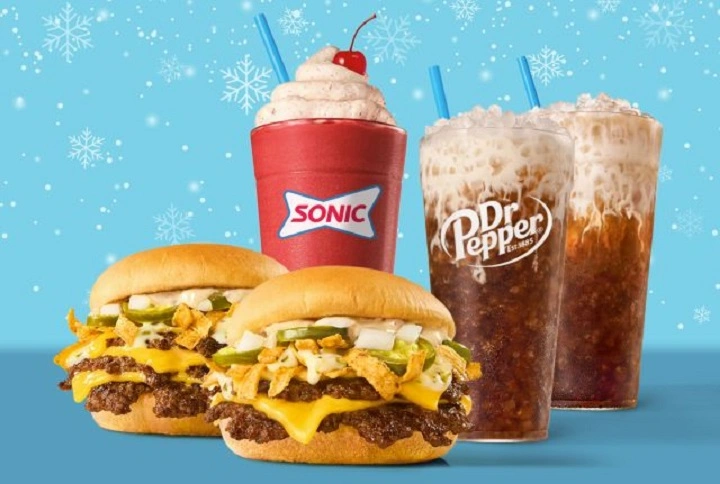
At Sonic Drive-In, combo meals don’t just bundle food. They organize movement. What looks like a simple choice—pick a number, get a meal—actually reduces the time spent thinking. And in a drive-in system, time matters more than flavor ever could.
The design stays quiet. You don’t notice it unless something breaks. But when it works, ordering feels automatic. You pick a combo, not because it’s perfect, but because it’s easier than building something from scratch.
Structure First, Taste Second
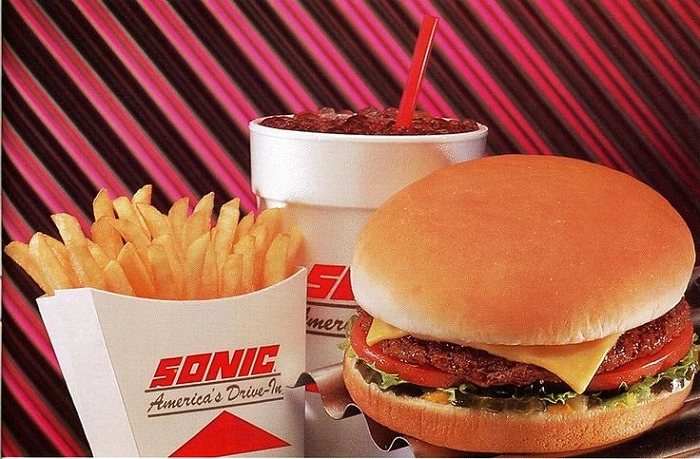
Each combo follows a familiar pattern:
- a main item (burger, hot dog, chicken)
- a side (usually fries or tots)
- a drink
That setup isn’t random. It mirrors how meals are served in schools, institutions, even large-scale kitchens. The goal is balance in structure, not creativity. Everything fits into a predictable flow.
What stands out is volume. The drink often dominates the tray. A large soda might hold around 16 ounces, while the side stays much smaller. That difference tricks the eye. It feels like more, even when the solid food is limited.
Why Combos Speed Everything Up
In a drive-in model, delays come from decisions. The more choices someone makes, the slower the line moves.
Combos remove that friction.
- fewer custom builds
- fewer ingredient swaps
- faster order confirmation
Instead of asking “what do I want?” customers shift to “which one do I pick?” That small change keeps hands on the wheel and attention forward.
Custom Drinks, Controlled Behind the Scenes
Sonic feels different because of its drink options. You can mix flavors, add syrups, change ice levels. It feels personal.
But the system underneath stays fixed.
Each flavor pump dispenses the same amount—around 0.8 ounces per press. No matter the location, the quantity doesn’t change. That keeps costs predictable and avoids variation.
So while the drink feels custom, the structure remains controlled.
The Role of Sides: Built for Consistency
Items like tater tots aren’t just fried potatoes. They’re processed for uniform results.
Suppliers such as Lamb Weston design them to:
- cook evenly
- hold shape
- deliver the same texture every time
A light sugar coating helps achieve consistent browning. What looks like a fresh fry result is actually set long before it reaches the kitchen.
Burgers Designed for Speed
Most patties used in combos start under four ounces. They’re pre-formed from frozen blocks and cooked on flat grills set between 350°F and 375°F.
Thickness matters.
- too thin → dries out quickly
- too thick → slows down cooking time
The balance leans toward speed. Flavor becomes secondary to how quickly the item can move through the system.
Assembly Happens in Steps, Not All at Once
The kitchen isn’t one continuous process. It’s divided.
- buns are toasted separately
- cheese is softened using steam (about 9 seconds)
- proteins are cooked on flat surfaces
This separation reduces errors. It also keeps timing predictable. Even melting cheese isn’t left to chance—ingredients like sodium citrate ensure it flows the same way every time.
Why Drinks Drive Profit
Combos often feel like a deal, but margins tell a different story.
Drinks carry the highest profit—sometimes over 90%. Syrup mixes with water at about a 1:5 ratio, keeping costs low.
But it’s not pure profit. Machines require:
- CO₂ refills
- filter replacements
- maintenance checks
Even so, beverages remain the strongest margin driver inside combos.
What You Don’t See: Calorie Information
Calorie counts exist, but rarely where decisions happen. You might find them online or on request, but not front and center during ordering.
So a combo labeled at 1,200 calories doesn’t come with context. There’s no immediate sense of how it fits into a full day’s intake.
The information is available—but not always visible when it matters most.
Movement Changes How Food Is Built
Unlike counter-service restaurants, Sonic involves movement. Orders travel from kitchen to car.
That changes how food is prepared.
- sauces are thicker so they don’t run
- lettuce is pre-treated to resist wilting
- pickles hold structure instead of soaking bread
Everything is built to survive the short journey from kitchen to customer.
Packaging Balances Heat and Texture
Wrappers aren’t just for holding food. They control airflow.
- paper allows some heat to escape, keeping items from getting soggy
- plastic lids prevent spills during handoffs
- insulation appears only when needed
Materials aren’t always eco-friendly, but they prioritize function first.
Regional Limits Affect the Menu
Sonic locations are concentrated in certain areas, especially the South and Midwest. That affects what items stay on menus.
New ideas—like experimental flavors or unusual combinations—often stay local. Expanding them nationwide takes time.
Supply chains move slowly:
- ingredient changes can take 2–6 weeks
- full menu shifts require months of planning
So most combos stay consistent across regions.
Training Focuses on Accuracy, Not Speed
Employees learn to follow steps correctly before focusing on speed. Orders are tied to system labels. If something goes wrong, it resets instead of being patched mid-process.
That approach:
- reduces mistakes
- keeps systems clean
- increases waste slightly
Accuracy wins over improvisation.
Old Feel, New Systems
Sonic still looks nostalgic—bright signs, simple menus—but underneath, everything runs on digital systems.
- pricing updates automatically
- compliance tags refresh overnight
- data tracks every order
The appearance stays familiar. The operation evolves quietly.
Environmental Impact in the Background
Combos generate waste:
- cups
- lids
- straws
- sauce containers
Even recyclable materials often don’t get processed if they’re contaminated with food. Compost systems aren’t widely implemented across locations.
The system prioritizes speed and consistency over sustainability—for now.
After the meal ends, most flavors blur together. What stays is the pattern:
- choose quickly
- wait briefly
- receive food
Combos aren’t memorable because of taste. They stick because they simplify action. Over time, they become automatic—picked without thinking.
That’s where they succeed.
Not by standing out, but by disappearing into routine.


