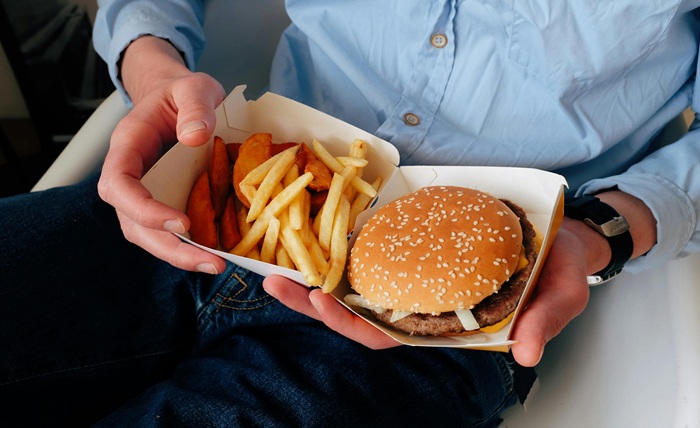
The convenience of ordering at a drive-thru is based on preparation, which most customers never witness. The menu is simple, the queue moves quickly, and the food is delivered hot.
Ingredients have already passed through farms, production lines, storage facilities, and distribution networks before a single fry goes into oil or a shake is put into a cup. Each stage is planned. Each step is checked. The system works because it reduces uncertainty. Fast food does not rely on improvisation. It relies on repeatable standards.
Sourcing: Clear Requirements from Day One
Suppliers begin with strict specifications. Potatoes are evaluated for size, moisture, and sugar content so they cook evenly. Too much sugar and they brown too quickly. Too little and texture changes. To provide a constant taste and texture, beef is mixed within specified fat levels. To maintain freshness and avoid contamination, dairy is processed under strictly regulated conditions.
Food manufacturers adhere to rules set out by regulatory bodies like the FDA. Everyday operations include documentation. Every batch has a label and a record. A cargo doesn’t proceed if it doesn’t fulfil quality criteria.
Although it may appear technical, this attention to detail influences the outcome. Regardless of location, customers want fries to taste the same. Instead of starting at the counter, that expectation starts at the sourcing level.
Processing and Packaging: Routine Done Carefully
In processing facilities, work follows a rhythm. Ingredients are washed, cut, portioned, and sealed in temperature-controlled spaces. Equipment is inspected regularly. Surfaces are sanitised on schedule. Monitoring systems track environmental conditions throughout production.
Protection is the main objective of packaging. To stop moisture loss, frozen food items are sealed. Humidity is kept out of dry ingredients. Beverage syrups are kept in containers made to maintain flavour while being transported and stored.
Cold-chain management is still crucial. According to the USDA, proper and sufficient freezing increases shelf life and lowers food safety issues. Before shipment, throughout transportation, and after arrival, temperatures are tested several times. Regular quality control involves these regular inspections.
Transportation: Controlled Movement
Once prepared and packaged, products are loaded into refrigerated trucks. Delivery schedules are structured to align with restaurant storage capacity and anticipated demand.
Distribution centres maintain organised layouts to keep products stable and accessible. Inventory is stacked in ways that protect packaging and optimise space. Many facilities rely on durable systems such as Stackable Pallets to improve storage efficiency and reduce handling damage. While customers never see this infrastructure, it supports smooth restocking and predictable operations.
In high-volume food service, reducing minor damage or saving small amounts of time can create a meaningful long-term impact.
Distribution Centres: Balancing Supply
At distribution hubs, shipments are scanned and logged immediately. Products are separated into frozen, chilled, and dry zones. Inventory levels are monitored digitally.
Forecasting tools analyse sales history and upcoming promotions. If a seasonal beverage launch is scheduled, supply is positioned ahead of time. If demand slows, orders are adjusted to avoid excess inventory.
The objective is balance. Overstock leads to waste. Understock leads to service delays. Data allows operators to respond to changes without relying solely on estimation.
Restaurant-Level Execution: Consistency in Practice
When deliveries arrive at a restaurant, procedures continue. Staff verify temperatures before accepting shipments. Storage follows “first in, first out” rotation to prevent older stock from expiring unused.
Preparation standards remain clearly defined. Fry oil temperatures are measured. Grill times are standardised. Beverage dispensers are calibrated for proper syrup ratios. These details protect both flavour and food safety.
The speed seen at the drive-thru window reflects this preparation. Ingredients are portioned in advance. Storage areas are labelled. Workflows are structured to minimise confusion. The result appears simple because the process behind it is organised.
Efficiency with Responsibility
Environmental factors also influence modern supply chains. Businesses improve packing materials, modify routes to use less fuel, and, when feasible, implement reusable transportation options.
Overproduction gets reduced by such accurate forecasting. Improved storage reduces spoilage. Even small improvements in stacking or scheduling contribute to measurable waste reduction.
Customers may not notice these operational shifts directly, but they benefit from steady product availability and reliable quality.
The Structure Behind Every Order
A burger and drink may feel like a routine purchase. Behind that routine is a coordinated system designed to deliver predictable results. Farms, processors, freight carriers, warehouse teams, and restaurant staff follow established procedures that limit variation.
Fast food succeeds because it repeats defined processes carefully. The journey from warehouse to drive-thru is organised, measured, and continuously improved. That structure is what makes convenience reliable every time an order is placed.