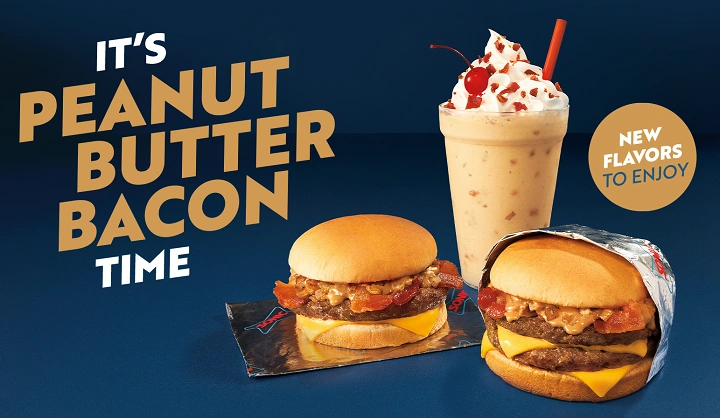
Some meals fade fast. Not this one. Balance? Refinement? Missing here on purpose. Fullness takes over instead. Bacon crackles under the slow melt of cheese. Garlic soaked butter spills across every corner. Each mouthful stacks higher. Sound fills your head. Attention pulls tight. Impossible to brush off. Pressure builds without balance. Each new level piles on top of the last – crowding, pressing, never aligning. The weight grows heavy, nearly overwhelming, yet somehow pulls you closer instead of pushing away.
Not the old ways that set it apart. Response does. Hits quick, skips the spotlight, still grabs hold tight. Ends quiet.
Flavor That Builds Instead of Balancing
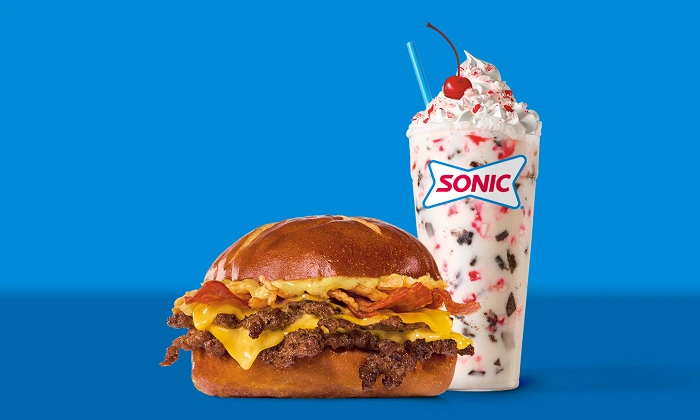
At first, something feels missing. There’s no crisp lettuce, no sharp acidity to cut through the richness. Just meat, butter, cheese, and bacon piling up. Normally, food works through contrast. Here, it doesn’t bother.
Richness builds on richness. Fat carries flavor instead of breaking it apart. Nothing resets your palate. Each bite feels like a continuation of the last, not a fresh start. That’s what makes it feel overwhelming—and strangely satisfying at the same time.
- bacon adds salt and crunch
- cheese melts into softness
- garlic butter spreads aroma and weight
- the patty anchors everything with heat
Individually simple. Together, intense.
The Quiet Power of Aroma
Something begins before tasting ever occurs. First comes the scent.
A whiff hits first – crisp bread warmed up, painted with something garlicky. Toasted just enough so the edges crackle under light pressure. Your nose picks it up before hands even settle on the plate. Could be fake flavoring, sure. But signals fire anyway, fooling thoughts into craving more. Before salt or chew matters, steam has already shaped what comes next.
Before your teeth meet, it’s already happening. The moment starts earlier than you think.
Heat That Binds Everything Together
Once assembled, heat starts doing quiet work in the background. The patty stays hot enough to soften the cheese without fully breaking it. Butter melts slowly into the bread. Nothing spills apart immediately.
Give it half a minute, and something changes.
- cheese clings to meat
- butter seeps into the bun
- layers begin to stick instead of slide
It doesn’t look different, but it feels different. What was once separate starts acting like one dense structure.
Texture That Keeps You Engaged
Bacon plays a bigger role than it seems. Not just for taste, but for texture.
Instead of fresh frying, it’s often reheated. That removes excess grease and keeps it crisp. More importantly, it creates uneven surfaces—tiny ridges that hold onto butter and sauce.
Without that, everything would feel flat. With it, each bite changes slightly. Some feel heavier, some sharper. That variation keeps your attention from settling.
Sound adds to this without you noticing. The crunch from bacon, the slight snap from toasted bread—these signals reach your brain instantly. Louder textures feel fresher, even if nothing else changes.
Also Read: Is Sonic Open on Sundays?
Shape That Forces Interaction
This isn’t a clean, easy burger. It’s wide, slightly unstable, and messy.
You have to adjust:
- shift your grip
- tilt your head
- react to slipping juices
Eating becomes active instead of automatic. You’re not zoning out—you’re involved. That small effort makes the experience feel stronger.
What “Garlic Butter” Really Means
Despite the name, it rarely contains fresh garlic. Instead, it’s built from:
- garlic powder
- blended oils and dairy elements
- flavor enhancers that boost savory notes
Fresh garlic would burn during reheating. Powder spreads evenly and survives heat better. Even so, the scent matches what you expect closely enough that your brain fills in the rest.
What matters isn’t accuracy—it’s perception.
Why Flavor Stays After the Bite
Switching sauces changes everything. When mayo replaces ketchup or mustard, the experience stretches out.
Fat holds onto aroma. That means flavors linger longer instead of disappearing quickly. Bacon and garlic notes stay in the mouth even after swallowing.
This overlap makes the burger feel more complex than it really is. Each bite blends into the next, instead of resetting.
The Illusion Behind the Look
It looks grilled. But often, it isn’t.
Those dark lines? Pressed on by machine.
That smoky taste? Comes from bacon or added flavoring.
The meat itself stays consistent—designed to taste the same every time. What you see suggests something more rustic, but the process is controlled and predictable.
Familiarity Over Surprise
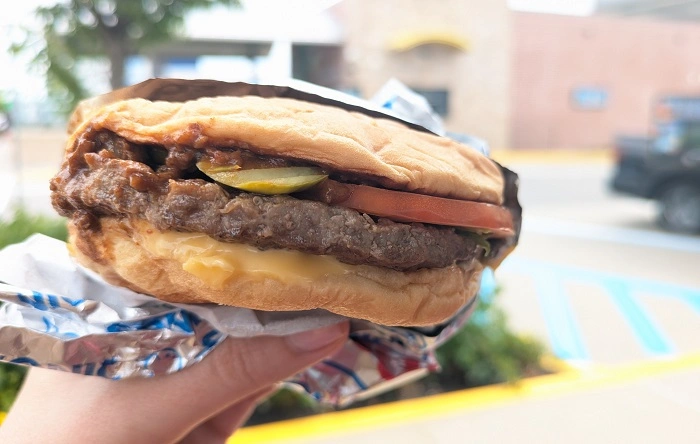
Nothing here is new. Bacon, cheese, butter—these are already familiar.
That’s the point.
The burger doesn’t try to introduce something different. It reinforces what people already recognize. That’s why it feels right almost immediately. No thinking required.
It connects to memory—roadside stops, quick meals, late-night cravings.
Why It Doesn’t Keep You Full for Long
Even though it feels heavy, it doesn’t last.
High fat and processed carbs trigger a quick energy spike. Then comes the drop—often within ninety minutes. Hunger returns faster than expected.
That creates a loop:
- quick satisfaction
- fast decline
- desire to repeat
It’s not about lasting fullness. It’s about immediate impact.
A Structure Built on Habit
This burger wasn’t designed as a masterpiece. It came from routine—cost limits, production systems, and repeated testing.
Each part exists because it works:
- easy to assemble
- consistent across locations
- fast to produce
- familiar to customers
Over time, those choices stacked together into something stronger than intended.
Final Thought
This isn’t a balanced meal. It doesn’t aim to be.
It works because it pushes everything forward at once—flavor, texture, smell, heat—without pause. It keeps your attention active, your senses engaged, and your expectations satisfied.
You don’t remember it because it was perfect.
You remember it because it never tried to be.